Water bill spiking with no visible leak
We pressure-test the system, scan with acoustic and infrared gear, and pinpoint the leak. Most hidden leaks are found in under an hour, and we quote the repair before we open anything.
When water shows up where it shouldn't, leak detection Annapolis MD homeowners trust starts with finding the exact source before anything gets torn open. We use electronic and acoustic tools to pinpoint hidden leaks in slabs, walls, and under floors, then repair them the same visit when possible. One call gets a licensed tech to your door.
Leak detection Annapolis MD is the process of locating the exact source of a water leak using non-destructive tools before any repair begins. We pressurize the system, listen for the leak with acoustic equipment, and scan slabs and walls with electronic sensors. That means we find the leak without cutting into walls or breaking up a floor on a guess. Once we know where the water is coming from, we quote the repair and get it fixed.
Annapolis homes deal with a mix of older copper pipe, PEX tubing, and cast-iron drains, and each fails differently. A pinhole in copper behind a kitchen wall looks nothing like a slab leak under a hallway floor. That's why we start with water leak detection Annapolis Maryland homeowners can rely on instead of opening drywall and hoping. If you've been searching for leak detection near me Annapolis MD at 2 a.m. with water spreading across the floor, we answer the phone and roll a truck.
Every leak detection visit includes the full diagnostic workup, not just a quick listen. Here's what's covered in the service call and what we handle as a follow-up repair once we know what we're dealing with.
We isolate the domestic water system and pressurize it to confirm an active leak and determine whether it's on the hot or cold side. This step takes 20 to 30 minutes and tells us the leak is real before we go further.
Using a listening device, we trace the sound of escaping water through walls, floors, and slabs. Acoustic leak detection Annapolis MD techs can hear a leak through 4 inches of concrete, which means less demolition and a faster repair.
An infrared camera shows temperature differences on the surface. A slab leak appears as a warm streak; a cold-water leak shows as a cool spot. We scan the suspect area and mark the pinpoint location with tape.
Once we've located the leak, we give you a written price for the repair before any cutting starts. The quote covers the access opening, the repair itself, and the pressure test afterward. You approve it or we stop there.
We cut the smallest opening possible, repair the line with copper pipe or PEX tubing and new fittings, and pressure-test the system again. The repair carries a warranty, and we clean up the work area before we leave.
You call and describe what you're seeing: a spike in the water bill, a warm spot on the floor, water staining a ceiling. We ask a few questions to narrow the likely source and schedule a same-day or next-day visit. Most calls get a tech on site within a few hours.
The tech isolates the domestic water system and pressurizes it to check for a drop. A gauge that falls confirms an active leak and tells us whether it's on the hot or cold side. This step takes 20 to 30 minutes and costs nothing extra beyond the service call.
We run an acoustic listening device along the walls and floor and scan with an infrared camera for temperature differences. A slab leak shows up as a warm streak on the floor; a wall leak shows as a cold spot. This is where hidden leak detection Annapolis MD earns its keep.
Once we've narrowed the leak to a 1- to 2-foot area, we mark the spot and give you a written price for the repair. You approve before we cut anything. If the repair is minor, we often do it the same visit; larger jobs get scheduled within 48 hours.
We cut the smallest access opening possible, repair the line with copper pipe or PEX tubing and new fittings, and pressure-test again. Before we leave, we confirm the repair holds and clean up the work area. You get a warranty on the repair and a dry floor.
Purpose-built equipment, used by trained technicians — so the job is done accurately the first time.
Amplifies the sound of escaping water through concrete, drywall, and soil. We use it to trace a leak to within a 1- to 2-foot area before any cutting.
Shows temperature differences on walls and floors. A hot-water leak appears as a warm streak; a cold leak shows as a cool spot. This is how we find leaks without demolition.
Inspects the inside of drain and sewer lines to find root intrusion, cracks, or collapsed sections. We use it when a leak is suspected in a drain line rather than a supply line.
Makes leak-free connections on copper and PEX without soldering. Faster than a soldering torch and safer in tight spaces where a flame isn't an option.
Standard hand tools for opening and repairing supply lines. We stock copper pipe, PEX tubing, PVC pipe, ABS pipe, solder, pipe fittings, Teflon tape, and plumber's putty on every truck.
A homeowner in Eastport noticed a warm spot on the hallway floor and a water bill that had doubled. The slab was dry on the surface but the thermal camera showed a hot-water line leaking under the concrete.
We opened a 12-inch section of floor, repaired the copper line with a new fitting, and pressure-tested the system. The repair held at 80 psi, and the floor was patched the same day. The water bill dropped back to normal the next month.
A 1920s row home in the Historic District had water staining the ceiling below the kitchen. Two other plumbers wanted to open the whole wall. The homeowner called us for a second opinion.
We used an infrared camera to find the pinhole in a copper supply line behind the plaster. We opened a 10-inch patch, repaired the line with PEX, and pressure-tested it. The stain stopped spreading and the wall was patched with minimal plaster work.
A Cape St. Claire homeowner woke up to water spraying in the crawlspace on a Sunday morning in January. The temperature had dropped to 18 degrees overnight and a supply line had split.
We shut off the main, found the split with acoustic gear, and replaced the section with PEX. The repair was pressure-tested and the water was back on before noon. The homeowner avoided a flooded crawlspace and a much bigger repair bill.
Most leaks we find fall into a few categories. If you're dealing with water under a slab or a hidden leak in a wall, we've got the gear and the experience to find it and fix it.
Ask a pro →We pressure-test the system, scan with acoustic and infrared gear, and pinpoint the leak. Most hidden leaks are found in under an hour, and we quote the repair before we open anything.
Our slab leak detection Annapolis service locates the break with acoustic listening and thermal imaging. We repair the line with copper or PEX and pressure-test it before closing the floor.
We use infrared scanning to find the source without opening the whole wall. Once located, we cut a small access patch, repair the line, and pressure-test. Most wall leaks are fixed in one visit.
We inspect the space, pressure-test the lines, and use acoustic gear to find the leak. If the source is a fitting or a pinhole, we repair it and dry the area. We also check for root intrusion if the leak is near a drain line.
$89 - $3,500 depending on scope
Typical 2026 pricing for leak detection in Annapolis runs $89 to $149 for the service call, and that fee is credited toward the repair if you hire us. The repair itself depends on what we find and where it is. A pinhole in a wall might be $250 to $450; a slab leak repair can run $1,200 to $3,500. We give you a written price before we cut, so there are no surprises. Affordable leak detection in Annapolis MD means knowing the cost upfront.
Finding the leak fast saves money on demolition and water damage. A $149 detection visit can prevent a $6,000 floor replacement. We credit the detection fee toward the repair, so you're not paying twice.
A leak in an accessible wall or ceiling is faster to repair than one under a slab. Slab leaks require cutting concrete and patching, which adds $400 to $1,200 to the job.
Copper pipe repairs take more time than PEX. If the line is old copper, we may need to cut out a longer section to reach good metal. PEX repairs are faster and often cheaper.
A leak behind a finished wall or under a tile floor takes more time to access and restore. We always open the smallest area possible, but finished surfaces add to the repair cost.
After-hours and weekend calls carry a higher service rate. If the leak is contained and can wait until morning, you'll save on the emergency premium.
“We had a water bill that doubled and no visible leak. The tech from this team showed up the same afternoon, pressure-tested the system, and found a slab leak under the hallway with his acoustic gear. He opened one 12-inch square of floor, fixed the copper line, and we were back to normal by dinner. The price was exactly what he quoted.”
Karen M.Homeowner, Eastport
✓ Verified“Our 1920s row house had water staining the ceiling in the dining room. Two other plumbers wanted to open the whole wall. These guys used an infrared camera and found the leak in a supply line behind the plaster in about 20 minutes. They repaired it with PEX and patched the hole. Saved us a fortune in plaster work.”
Dave R.Homeowner, Historic District
✓ Verified“A pipe burst in the crawlspace on a Sunday morning. I called and a tech was here in under an hour. He shut off the water, found the split with his listening equipment, and had it repaired before noon. The emergency rate was fair and he explained everything he was doing. I've got their number on the fridge now.”
Susan L.Homeowner, Cape St. Claire
✓ VerifiedMost leak detection calls in Annapolis run $89 to $149 for the service visit, and that fee is credited toward the repair if you hire us. The repair itself depends on what we find: a pinhole in a wall might be $250 to $450, while a slab leak repair can run $1,200 to $3,500. You get the price before we cut.
The clearest sign is a water bill that jumps 20 percent or more with no change in usage. Other signals: a warm spot on a slab floor, the sound of running water when every fixture is off, musty smells near a wall, or a water meter that keeps spinning after you shut everything down. Any of those warrants a detection visit.
Yes. We use acoustic listening equipment and infrared scanning to locate the leak from the surface, then mark the spot. We only open the wall or floor at the pinpoint location, usually a 12-inch access patch. In many cases we can hear a leak through 4 inches of concrete or drywall without any demolition at all.
Slab leaks usually come from copper pipe reacting with concrete, shifting soil that stresses the line, or a failed fitting under the floor. Annapolis's clay-heavy soil and freeze-thaw cycles in January and February put pressure on buried lines. Older homes with copper under the slab are the most common call we get.
 Emergency PlumbingWhen a leak turns into a burst pipe at 2 a.m., our emergency line answers. We shut off the water, stop the damage, and schedule the repair. Leak detection often starts as an emergency call and ends as a planned fix.Explore →
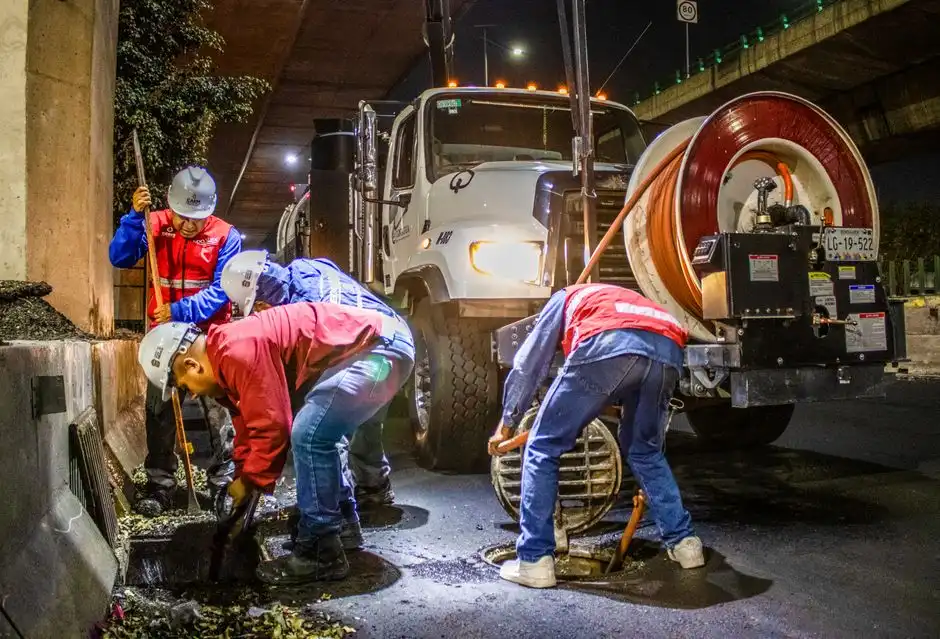 Drain CleaningA slow drain isn't always a clog; sometimes it's a broken line letting soil in. If our leak detection points to a drain issue, we follow up with a drain snake or hydro jetter to clear it and camera the line.Explore →
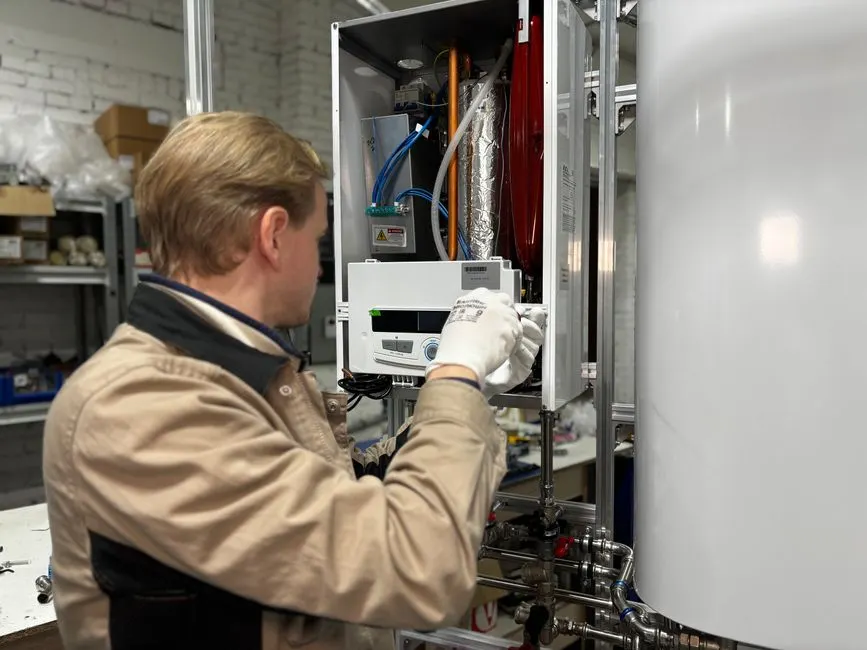 Water Heater RepairA leaking water heater is one of the most common sources we find. If the tank itself is weeping, repair may not be the answer, but we'll tell you straight. We service Rheem, Navien, Bradford White, and most major brands.Explore →
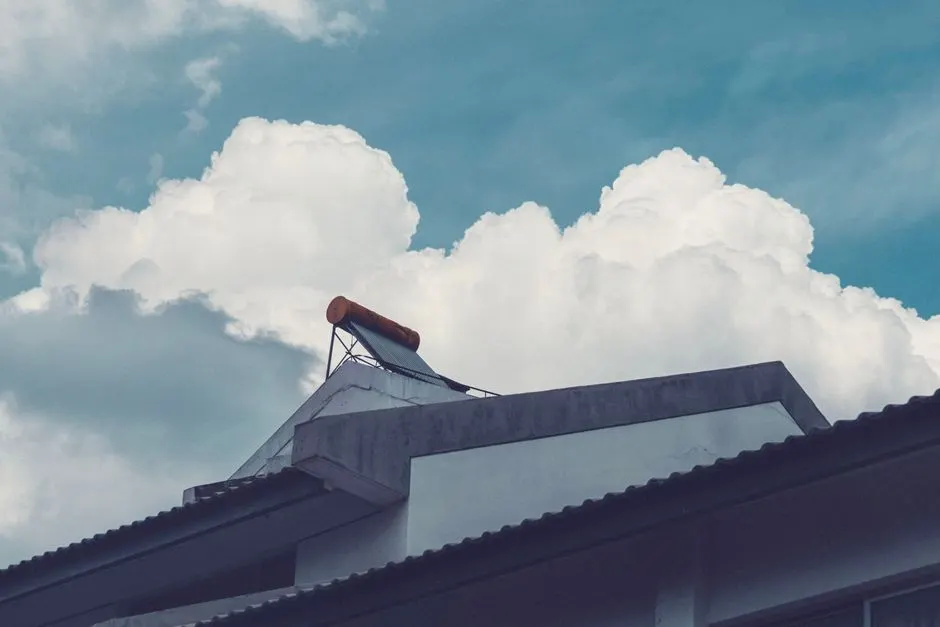 Water Heater InstallationWhen a leak means the tank is done, we install a new unit the same week. We handle the permit, haul away the old heater, and pressure-test the connections before we leave. Rheem and Bradford White tanks are our stock units.Explore →
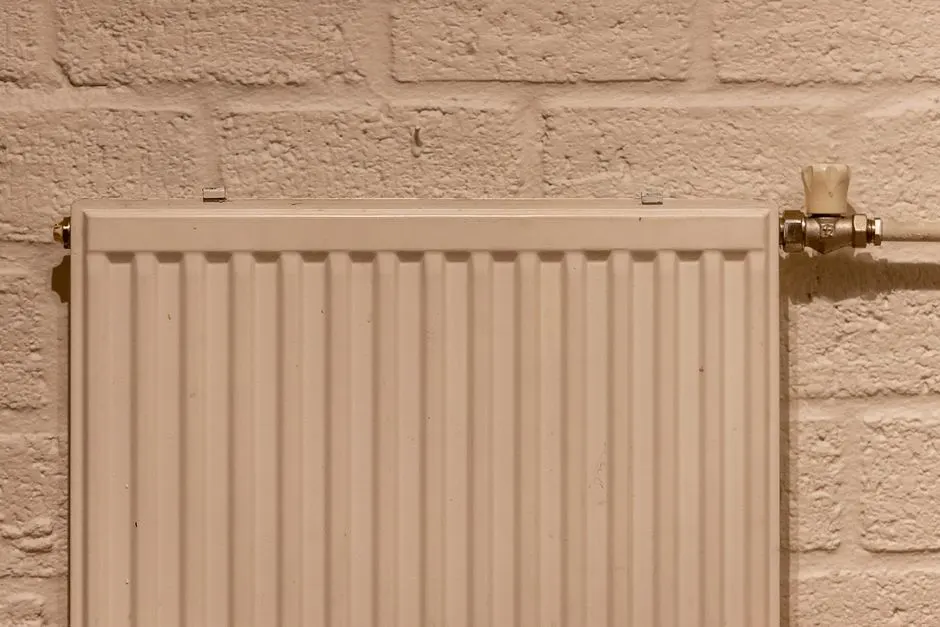 Tankless Water Heater InstallationTankless units from Navien need a proper gas line and venting, and a leak in either one is a safety issue. We inspect the supply lines during installation and fix any hidden leaks before the unit goes live.Explore →
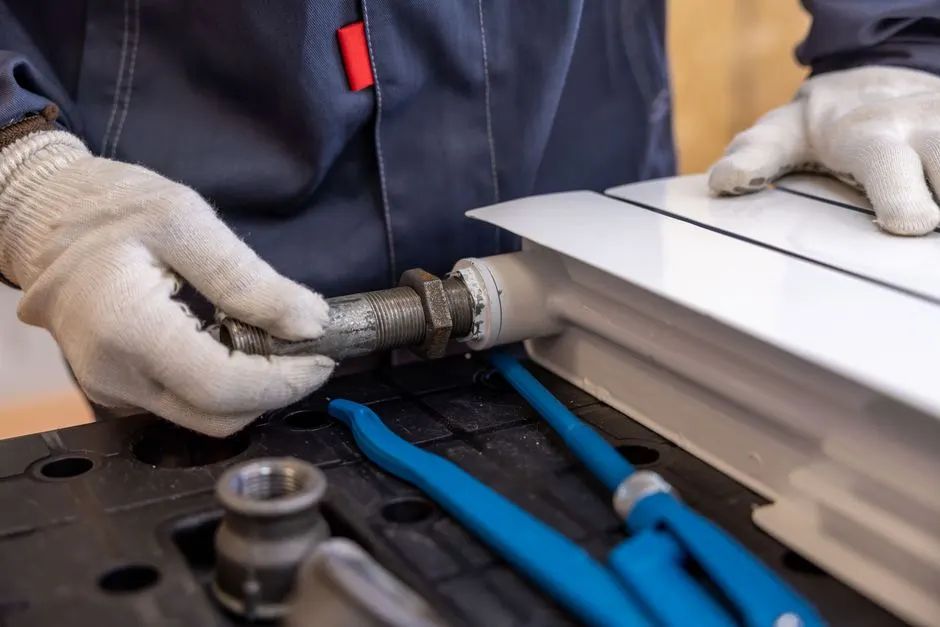 Burst Pipe RepairA frozen pipe that splits is a leak detection call with a clock on it. We shut off the main, find the split with acoustic gear, and repair or replace the section with copper or PEX. Most burst pipe repairs are done in one visit.Explore →
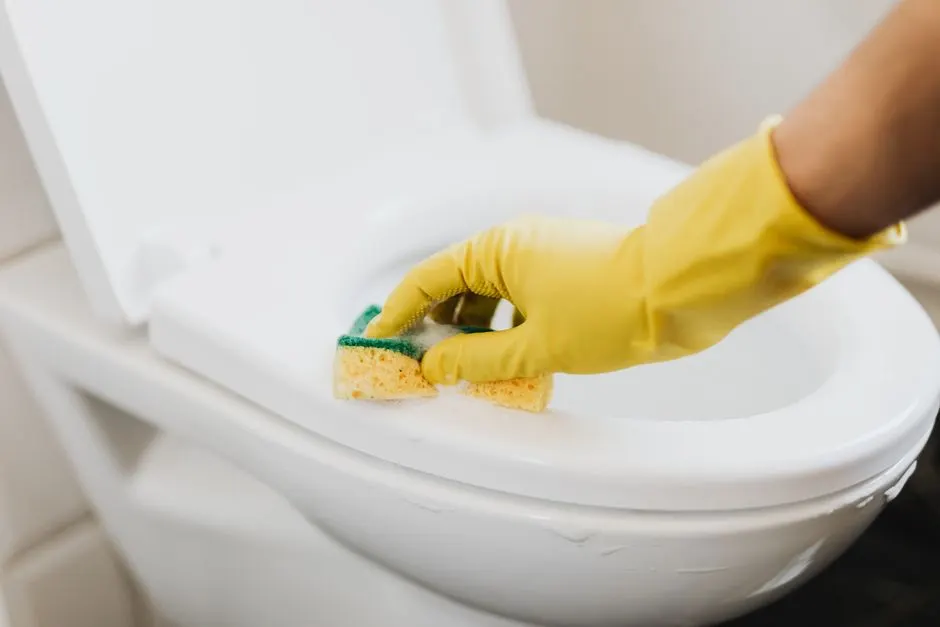 Toilet RepairA running toilet can waste 200 gallons a day, and it's often mistaken for a hidden leak. We check the flapper, fill valve, and supply line, and repair with Moen or Fluidmaster parts. If the leak is under the floor, we detect it.Explore →
 Faucet RepairA dripping faucet wastes water and can rot a cabinet base. We repair Moen, Delta, and Kohler fixtures and check the supply lines behind the wall while we're there. If the leak is deeper than the fixture, our detection gear finds it.Explore →
Water damage gets worse by the hour. Call now and we'll get a licensed tech to your door, find the leak with electronic and acoustic gear, and give you a price before we cut. Same-day service, no surprises.
Schedule Detection +1 (831) 293-1204 →Call us at +1 (831) 293-1204 or email plumberannapolismd@gmail.com. We answer the phone 24/7 for emergencies and schedule same-day or next-day visits for non-urgent work. Tell us what's wrong and your address, and we'll give you a time window and a price range before we head out.