Why is my kitchen sink draining slowly
A slow kitchen sink in Annapolis is usually grease, food, or a failing trap arm-not magic. Here are the real causes, what to try, and when to call a plumber.
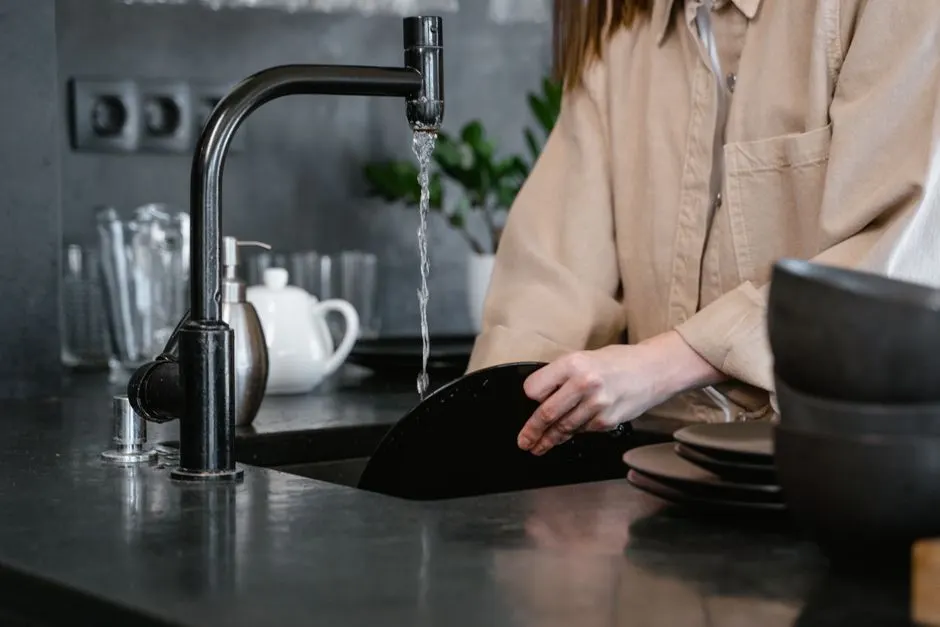
Your kitchen sink is draining slowly because something is restricting the flow between the strainer and the main sewer line-most often grease, food particles, or soap scum built up in the P-trap or the horizontal trap arm. In Annapolis homes, that restriction is usually worse in older properties where cast iron or galvanized pipes have had decades to accumulate buildup. The rest of this post walks through the six causes we see most often, what you can safely try yourself, and the point where a pro needs to step in.
The short answer: why kitchen sinks drain slowly
A slow kitchen sink draining slowly in Annapolis MD is a flow restriction, not a mysterious plumbing curse. Water can only move as fast as the narrowest point in the drain path allows, and in a kitchen that narrowest point is almost always a film of cooled grease and food debris clinging to the inside of the pipe. The trap under the sink catches what gravity lets fall; everything else coats the walls downstream.
Kitchen sink draining slowly is a drainage problem that starts small-a half-second delay, a gurgle-and gets worse every time you rinse a pan. The fix depends on where the clog sits: in the trap, in the branch line, or further out in the main. If you have already tried a plunger and a pot of hot water with no luck, the clog is probably past the trap and needs a snake or a jetter.
The six most common causes of a slow kitchen sink
Kitchen sink draining slowly causes in Annapolis MD almost always fall into one of six buckets. We have run cameras down enough lines in this town to know the pattern.
1. Grease and fat buildup
Cooking oil, bacon fat, and butter look liquid when hot and turn solid the moment they hit a cool pipe. A single tablespoon of grease can coat ten feet of pipe. Over a winter of cooking, that film narrows a 1.5-inch trap arm to half an inch. This is the number-one cause we find in Annapolis kitchens, especially in older homes where the pipes run cold under the floor.
2. Food particles and coffee grounds
Rice, eggshells, coffee grounds, and fibrous vegetable scraps swell with water and pack together. A garbage disposal shreds them but does not liquefy them. They settle in the P-trap and the horizontal run, and every subsequent dish rinse adds another layer.
3. Soap scum and mineral scale
Annapolis water carries moderate hardness. Over time, soap scum and calcium scale combine into a concrete-like ring inside the pipe. You will not see it from above, but a camera will show it as a white crust narrowing the bore.
4. A clogged or failing P-trap
The P-trap is the curved section under the sink. It is designed to hold water and catch debris. When it fills with sludge, drainage slows to a trickle. Plastic traps can also develop a partial collapse at the slip joint if they were over-tightened.
5. A blocked branch line or vent
If only the kitchen sink is slow and every other drain in the house is fine, the clog is likely in the branch line that serves the kitchen. If the sink gurgles when you run the dishwasher, the vent stack may be partially blocked-air cannot get in, so water cannot get out fast.
6. Root intrusion or a collapsed line
In older Annapolis neighborhoods-especially around the Historic District Plumber Annapolis MD area-clay and cast iron sewer lines are common. Roots find the joints and hairline cracks, and a slow kitchen sink is often the first symptom of a bigger sewer problem. If you also notice slow drains elsewhere or a sewage smell, stop snaking and call for a camera inspection.
How to fix a slow draining kitchen sink in Annapolis Maryland
How to fix a slow draining kitchen sink in Annapolis Maryland depends on how far the clog has traveled. Start with the least invasive step and work outward. If you get through step four and the sink is still slow, the clog is past the trap and you need a drain snake or a pro.
- Boiling water flush. Bring a full kettle to a boil and pour it slowly down the drain in three stages, waiting 30 seconds between each. This melts light grease. Do not use this on PVC if the trap feels soft or if you have a garbage disposal with plastic internals-use hot tap water instead.
- Baking soda and vinegar. Half a cup of baking soda followed by half a cup of white vinegar. Let it fizz for 15 minutes, then flush with hot water. This loosens soap scum and light food film.
- Plunger. Fill the sink with two inches of water, seal the overflow hole with a rag, and plunge 10-15 times. The pressure shift often breaks a soft clog in the trap.
- Clean the P-trap. Put a bucket under the trap, unscrew the slip nuts by hand, and pull the trap. Most kitchen clogs are visible right there. Clean it, reseat the washers, and hand-tighten.
- Snake the branch line. A 25-foot hand snake fed through the trap arm will reach most kitchen branch clogs. Turn clockwise and let the cable do the work.
If you have tried all five and the sink still drains slowly, the clog is in the main line or the vent. That is the point where a professional drain cleaning Annapolis MD visit saves you time and prevents damage. We run a camera first, then jet or snake the line based on what we see-not guesswork.
One local note: if your home is in Eastport Plumber Annapolis MD or another waterfront neighborhood, tree roots and shifting soil from seasonal water-table changes make main-line clogs more common. A slow kitchen sink there is worth a camera inspection sooner rather than later.
What to watch out for: common mistakes
The most common mistake we see is reaching for chemical drain cleaner first. Products like Drano and Liquid-Plumr generate heat and can damage older PVC, cast iron, and garbage disposal seals. They also turn grease into a sticky mass that is harder to snake out. If you have already poured chemicals down the drain, tell the plumber before they start-it changes the safety gear we use.
Other mistakes that turn a $150 drain cleaning into a $1,200 repair:
- Snaking a line that is already cracked. A hand snake can punch through a corroded cast iron trap arm. If the pipe is 40+ years old, camera first.
- Using a plunger on a double sink without sealing the other drain. You just push water back and forth instead of building pressure.
- Ignoring a gurgle. A gurgling kitchen sink is a vent problem. It will not fix itself, and it can pull sewer gas into the house.
- Pouring grease down the drain "just this once." There is no once. Every tablespoon counts.
If you are also noticing a slow drain in the bathroom or a toilet that runs, the problem may be the main sewer line rather than the kitchen branch. Our team handles sewer line repair Annapolis MD and can scope the whole system in one visit.
When to call a professional
Call a professional when the sink backs up after you have cleared the trap, when water rises in the other sink basin, when you smell sewage, or when the same clog returns within a month. Those four signs point to a clog past the trap or a failing pipe-neither of which a hand snake fixes.
We also get called when a homeowner has tried chemical cleaner twice and the sink is still slow. At that point the grease has congealed into a plug that needs mechanical removal. Our team at Plumber Annapolis MD md carries cameras and jetters on every drain call, so we can show you the clog on screen before we clear it. Upfront pricing, no surprises.
If the slow drain is accompanied by a water leak under the cabinet or a soft floor, stop using the sink and call for leak detection Annapolis MD-water damage behind a cabinet is far more expensive than a drain cleaning.
Frequently Asked Questions
Why is my kitchen sink draining slowly in Annapolis MD?
The most common cause is a grease and food clog in the P-trap or trap arm, which narrows the pipe over months. In older Annapolis homes, scale and root intrusion in the main line are also frequent culprits. A camera inspection confirms which one you have.
How do I unclog a slow kitchen sink in Annapolis Maryland?
Start with a boiling-water flush, then baking soda and vinegar, then a plunger with the overflow sealed. If those fail, clean the P-trap by hand. Most clogs clear at that stage. If not, a 25-foot hand snake through the trap arm reaches the branch line.
Can I use Drano in my kitchen sink in Annapolis MD?
Avoid it. Chemical drain cleaners generate heat that can warp PVC and damage disposal seals, and they turn grease into a sticky mass that is harder to snake. Mechanical cleaning is safer and more effective for kitchen clogs.
When should I call a plumber for a slow sink in Annapolis MD?
Call when the sink backs up after you have cleared the trap, when both basins drain slowly, when you smell sewage, or when the clog returns within a month. Those signs mean the blockage is past the trap or the pipe is failing.
How much does drain cleaning cost in Annapolis in 2026?
Typical 2026 pricing for a kitchen drain cleaning in Annapolis runs $150-$350 for a trap or branch-line clog, and $350-$600 if a main-line jetting or camera inspection is needed. Emergency or after-hours calls add $75-$150.
Get help with Plumber Annapolis MD md in Annapolis
If your kitchen sink is still slow after the basics, we can clear it today and show you what caused it. Call Plumber Annapolis MD at +1 (831) 293-1204 for same-day drain service in Annapolis and surrounding neighborhoods.