How to unclog a bathroom sink drain without chemicals
Skip the caustic drain chemicals. Here's how to clear a bathroom sink clog in Annapolis using a plunger, auger, and a few household staples - plus when to call a pro.
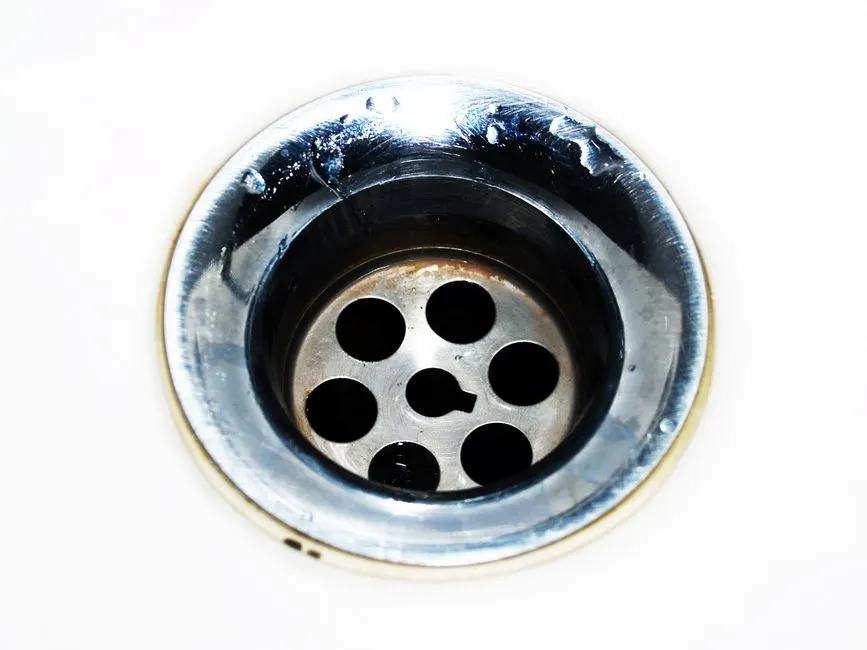
You can clear most bathroom sink clogs without chemicals by mechanically removing the blockage - a plunger, a drain snake, or a simple vinegar-and-baking-soda flush will handle hair, soap scum, and toothpaste residue in about 15 to 30 minutes. Chemical drain cleaners are rarely necessary for a bathroom sink and often make things worse. This guide walks you through the tools, the steps, and the local quirks we see in Annapolis homes, so you can decide whether to DIY or call a pro.
Why chemical drain cleaners are a bad idea
Chemical drain cleaners are a bad idea for bathroom sinks because they rarely clear the hair-and-soap mass that causes most clogs, and they can damage your pipes. Most bathroom sink clogs are a mat of hair, soap scum, and toothpaste bound together. Caustic cleaners (lye-based) and acid cleaners can dissolve some of that, but they often just burn a channel through and leave the rest to re-clog in a few weeks.
The bigger risk is pipe damage. Annapolis has a lot of older homes - especially in the Historic District Plumber Annapolis MD area - where the drain lines are original galvanized steel or cast iron. Repeated use of chemical cleaners accelerates corrosion and can lead to pinhole leaks. We've seen it dozens of times: a homeowner uses a store-bought cleaner every month, and two years later we're doing leak detection Annapolis MD under the cabinet because the trap arm has thinned out.
There's also the safety factor. Chemical drain cleaners are among the most dangerous household products. They can splash back, and if you mix them with other cleaners you can create toxic gas. If you have a septic system, those chemicals kill the beneficial bacteria your system needs. For a bathroom sink, mechanical removal is faster, safer, and cheaper.
What you'll need before you start
Before you start, gather a few basic tools and protect the area under the sink. You probably already own most of this.
- Plunger (a cup plunger, not a flange plunger - the cup style seals better on a sink drain)
- Drain snake or auger (a 15- to 25-foot hand auger is plenty for a bathroom sink)
- Bucket and towels for the P-trap
- Gloves and safety glasses
- Baking soda and white vinegar (for the natural flush)
- Needle-nose pliers or a wire coat hanger for pulling hair out of the stopper
If your sink has a pop-up stopper, remove it first. Most pop-up stoppers either unscrew or have a small set screw behind the faucet. Removing it gives you straight access to the drain and makes everything else easier.
Step-by-step: how to unclog a bathroom sink drain without chemicals in Annapolis MD
Here's the exact sequence we use when we're doing drain cleaning Annapolis MD on a bathroom sink. Start with the simplest method and work your way up.
1. Remove the stopper and clear the immediate hair
Pull the stopper out and look down the drain with a flashlight. Most bathroom sink clogs start right at the stopper or just below the tailpiece. Use a wire coat hanger or needle-nose pliers to pull out the hair mass. This alone clears about 30% of the clogs we see.
2. Try the plunger
Fill the sink with about 2 inches of water - enough to cover the plunger cup. Block the overflow hole with a rag (this is important; if you don't block it, the plunger just pushes air through the overflow). Plunge firmly 10 to 15 times, then release. You should feel resistance and then a sudden give when the clog breaks. If the water drains slowly but doesn't stop, you've made progress - repeat.
3. Use a drain snake
If plunging doesn't clear it, feed a hand auger down the drain. Crank clockwise and push gently. You'll feel the auger hit the clog - keep cranking until it breaks through or you pull the clog back up. For a bathroom sink, the clog is usually within 6 to 12 inches of the drain, so you rarely need more than a few feet of cable. Pull the auger out slowly and wipe it down; you'll likely see a grey-brown mass of hair and soap.
4. Clean the P-trap
If the snake doesn't do it, the clog may be in the P-trap. Place a bucket under the trap, unscrew the slip nuts by hand (or with pliers if they're tight), and remove the trap. Clean it out with a bottle brush or a rag. This is messy but effective. While the trap is off, run the snake through the drain from above to clear the tailpiece, then reassemble. Run hot water for a minute to check for leaks.
5. Flush with vinegar and baking soda
Once the water is draining, pour 1/2 cup of baking soda down the drain, followed by 1 cup of white vinegar. Let it fizz for 10 to 15 minutes, then flush with a quart of boiling water. This won't clear a major clog, but it does help dissolve soap scum and keep the drain fresh. We recommend this as a monthly maintenance step, not a rescue method.
Natural drain cleaner options that actually work
Natural drain cleaners work best as maintenance, not as a cure for a fully blocked drain. Here's what we've seen work in Annapolis homes.
- Baking soda + vinegar + boiling water: The classic. Use it monthly to keep soap scum from building up. It won't dissolve hair, but it does break down the soap film that holds hair together.
- Hot water flush: Once a week, run the hottest tap water for 30 seconds after you brush your teeth. This melts soap and toothpaste residue before it hardens.
- Enzyme drain cleaners: These use bacteria to eat organic matter. They're safe for pipes and septic systems, but they work slowly - over days, not minutes. Good for maintenance in older homes where you want to avoid caustic chemicals.
- Mechanical hair removal tool: A cheap plastic drain snake (sometimes called a hair snake) costs about $5 and pulls hair out without any chemicals. Keep one in the bathroom.
What doesn't work: boiling water alone on a hair clog (it just softens the hair without moving it), and any "natural" cleaner that claims to dissolve hair instantly. Hair has to be pulled out or broken up mechanically.
Common mistakes to avoid
Most DIY drain failures come down to a few predictable mistakes. Avoid these and you'll save yourself a call.
- Using a plunger without blocking the overflow. The overflow hole gives the pressure an escape route, so the plunger does nothing. Block it with a wet rag.
- Pouring chemical cleaner after a failed plunge. If you've already plunged, the drain may be partially clear but the chemical can sit in the trap and splash back when you run water. Never mix methods.
- Forcing the snake. If the auger stops hard, don't crank through it. You can crack a trap or push the clog deeper. Back off and try from the trap side.
- Ignoring a slow drain. A sink that drains slowly is telling you a clog is forming. Address it with a vinegar flush before it fully blocks.
- Using too much force on slip nuts. Plastic P-traps crack easily. Hand-tighten only, then a quarter turn with pliers.
One local note: in older Annapolis neighborhoods like Eastport Plumber Annapolis MD, the drain lines are often original galvanized steel that has narrowed over decades. A snake can clear the clog, but the underlying pipe may still be restricted. If you're clearing the same sink every few months, the pipe itself is the problem.
When to call a professional
Call a professional when you've tried the plunger, the snake, and the P-trap, and the drain still backs up - or when you see signs of a deeper problem. Those signs include water backing up in other fixtures (like the tub or toilet) when you run the sink, a persistent sewer smell, or a leak under the cabinet that returns after you tighten the trap.
We handle clogged drain repair Annapolis MD every week, and about half the calls we get are for clogs that a homeowner has already tried to clear. There's no shame in it - a hand auger can't reach a clog that's 20 feet down the line, and it can't tell you whether the pipe is cracked. We use a camera to see exactly what's going on before we quote a price. If it's a simple clog, we clear it. If it's a broken pipe or a root intrusion, we tell you that upfront.
If you're in a condo or apartment in West Annapolis Plumber Annapolis MD, call us before you snake anything. Shared drain lines can back up into a neighbor's unit if you push a clog downstream. We know these buildings and can clear the line without causing a problem next door.
Frequently asked questions
How do I unclog my bathroom sink without chemicals in Annapolis MD?
Remove the stopper, pull out hair with a wire or pliers, then plunge with the overflow blocked. If that fails, snake the drain with a hand auger and clean the P-trap. A vinegar-and-baking-soda flush finishes the job. Most clogs clear in 15-30 minutes.
What natural items unclog a bathroom sink in Annapolis Maryland?
Baking soda, white vinegar, and boiling water are the most effective natural combination. For hair clogs, a plastic drain snake or wire coat hanger works better than any liquid. Enzyme cleaners help with soap scum but take several days to work.
Does vinegar and baking soda unclog a drain in Annapolis MD?
Vinegar and baking soda will not clear a solid hair clog, but it does break down soap scum and keep a slow drain from getting worse. Use it monthly as maintenance, not as a rescue for a fully blocked sink.
Should I call a plumber for a clogged bathroom sink in Annapolis MD?
Call a plumber if the sink still backs up after plunging and snaking, if water backs up into other fixtures, or if you smell sewer gas. A pro can camera the line and clear clogs that are too deep for a hand auger.
Get help with Plumber Annapolis MD md in Annapolis
If you've tried the steps above and the drain is still slow, we can clear it today. Our team handles bathroom sink clogs, Plumber Annapolis MD md service across the city, and we'll tell you upfront what it costs before we start. Call us at +1 (831) 293-1204.